

Thermal Conductive Composite Powder - Guangdong Hico New Materials
Product Key Indicators
Thermal conductive composite powder at a glance
1.5W
Max. Thermal Conductivity
W/(m·K)
6 Models
Product Grades
1 Single + 5 Composite
3 Systems
Application Systems
Epoxy / Polyurethane / Silicone
0.07%
Lowest Moisture
Model TFP-120J1
Four Core Advantages
Complete thermal pathways for superior adhesive heat dissipation
01
🌡
Excellent Thermal Conductivity
Builds a complete thermal conductivity pathway in adhesives, covering 0.85–1.5 W/(m·K). Imparts good heat dissipation to adhesives, effectively solving thermal management challenges for electronic components and heat-generating parts.
02
White Hue
Bright white appearance with excellent visual quality. Suitable for applications with high color standards. Does not affect the final product's appearance, meeting aesthetic requirements for high-end electronic encapsulation and thermal potting.
03
🌀
Good Liquidity
Excellent powder flowability for easy processing and filling. Uniform dispersion in adhesive systems effectively reduces system viscosity and enhances processing efficiency, ensuring uniform and stable thermal pathways.
04
📦
Stable Thermal Storage Performance
Stable storage under high temperature conditions with minimal risk of agglomeration or performance degradation. Maintains product quality consistency during transport and warehousing, especially suitable for polyurethane thermally conductive structural adhesives.
Post-Modification Advantages
Scientific blending + surface modification for superior thermal & processing performance

🔥 Thermal Conductivity Principle

Thermal conductive composite powder is produced by scientifically blending thermally conductive functional powders of different particle sizes and morphologies with surface modification. The particle size gradation forms a close-packed structure, maximizing contact area between particles. Heat is efficiently transferred along the thermal conductivity pathway, achieving excellent thermal performance at relatively low filler loading.

📡
Complete Thermal Pathway
Scientifically blended conductive powders build complete thermal conductivity pathways
Low Loading, High Conductivity
Achieve target thermal conductivity at low filler loading, reducing costs
💧
Low System Viscosity
Good processability and uniform dispersion, effectively reducing system viscosity
White Hue
Does not affect final product color, meeting high-end application standards
📦
Storage Stability
Stable thermal storage, consistent quality, minimal risk of agglomeration
Two Modification Series
Single modification & Composite modification, covering three application systems

📖 Thermal Conductivity Principle

Thermal conductive composite powder is produced by scientifically blending thermally conductive functional powders of different particle sizes and morphologies with surface modification, enabling the powder to build a complete thermal conductivity pathway in the adhesive matrix. The particle size gradation forms a close-packed structure, maximizing contact area between particles. Heat is efficiently transferred along the thermal conductivity pathway, achieving excellent performance at relatively low filler loading.
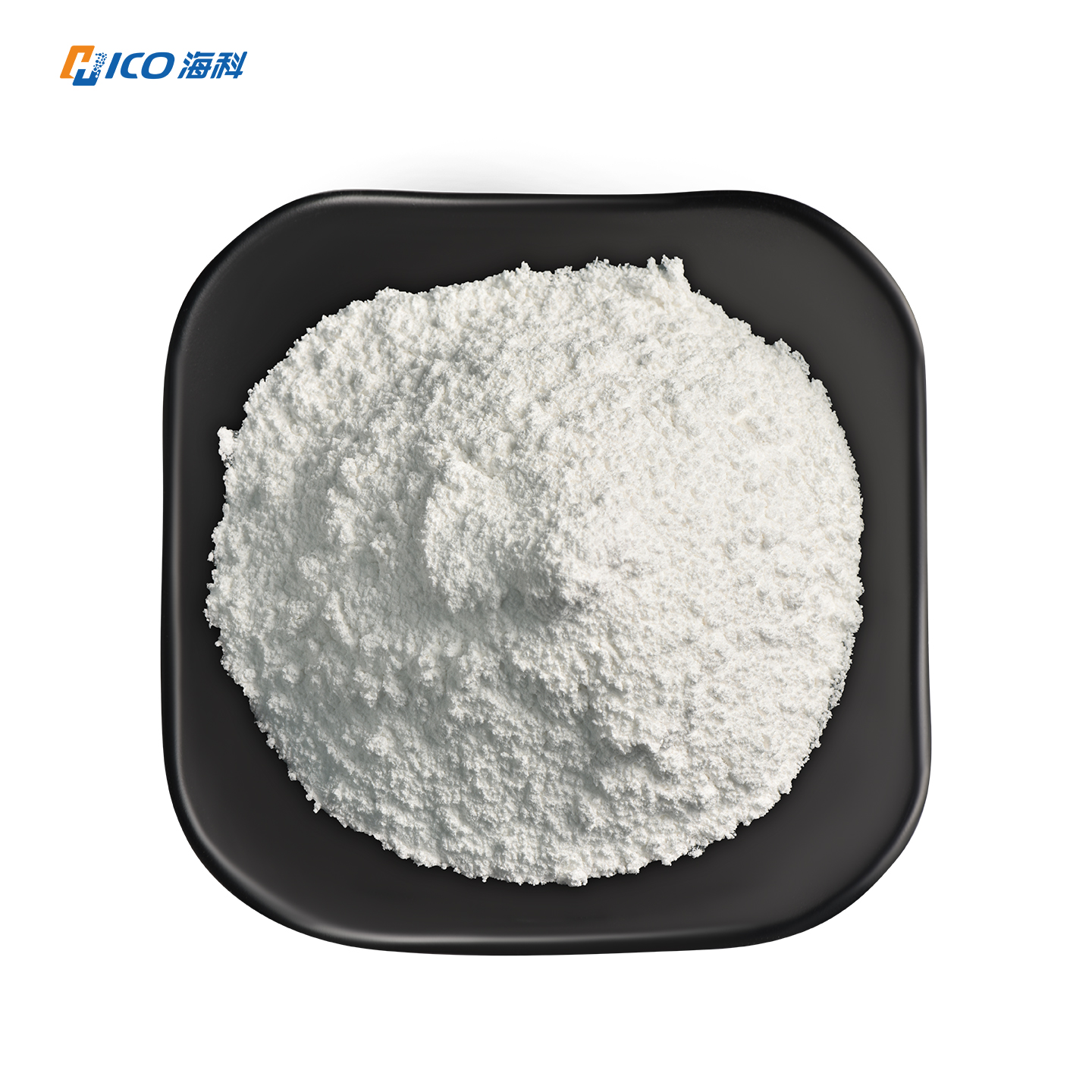
Thermal pathway diagram
SERIES 01 Single Modification
Specially designed for polyurethane thermally conductive structural adhesives
Single modification treatment, tailored for polyurethane thermally conductive structural adhesives with emphasis on mechanical strength. Shear strength 15.5 MPa, tensile strength 13.0 MPa, elongation at break 40% — outstanding for 1.2 W thermal conductivity requirements.
TFP-120J1 D50: 10.56 µm | TC: 1.2 ± 0.1 W
Shear 15.5 MPa
Tensile 13.0 MPa
Elongation 40%
PU Specialized
SERIES 02 Composite Modification
Silicone / Epoxy / Polyurethane / Solid Silicone Gel
Composite modification with scientifically blended thermally conductive functional powders, building complete thermal pathways in adhesives. Five models covering silicone potting, epoxy potting, polyurethane structural adhesives, and solid thermally conductive silicone gel.
TFP-100YJ2 TC: 1.0 ± 0.1 W | Visc. ≤ 3500
TFP-150YJ TC: 1.5 ± 0.1 W | Visc. ≤ 3800
TFP-150J3A TC: 1.2 ± 0.1 W | Storage stable
ATH-SM08 TC: 0.85 ± 0.15 W
TFP-300C TC: 1.5 ± 0.15 W
Silicone Potting
Epoxy Potting
PU Structural
Solid Silicone
Note: Different models are suitable for different resin systems and thermal conductivity requirements. Please refer to the applicable category descriptions in the parameter table when selecting models. The above data is for reference only; specific values are subject to the actual factory inspection report.
Product Technical Parameters
2 series, 6 models, covering 0.85–1.5 W/(m·K) thermal conductivity requirements
📊 Single Modification Series (Polyurethane thermally conductive structural adhesive)
Model No. Hue D50 (µm) Oil Absorption Value (g/100g) Moisture (%) Viscosity (mPa·s) Thermal Conductivity W/(m·K)
TFP-120J1 white 10.56 14.1 0.07 A:42300
B:93600
1.2 ± 0.1
📋 Applicable Categories: Polyurethane thermally conductive structural adhesive (approx. 1.2 W/m·K) for high-strength applications: shear strength 15.5 MPa, tensile strength 13.0 MPa, elongation at break 40%
📊 Composite Modification Series (Silicone / Epoxy / Polyurethane / Solid Silicone Gel)
Model No. Hue D50 (µm) Oil Absorption Value (g/100g) Moisture (%) Viscosity (mPa·s) Thermal Conductivity W/(m·K)
TFP-100YJ2 white 18.07 11 0.1 ≤ 3500 1.0 ± 0.1
TFP-150YJ white 12.3 7.2 0.1 ≤ 3800 1.5 ± 0.1
TFP-150J3A white 10.5 6.2 15–30 A:≤40000
B:≤70000
1.2 ± 0.1
ATH-SM08 white 8.8 14 0.1 / 0.85 ± 0.15
TFP-300C white 8.6 6.2 0.1 / 1.5 ± 0.15
⚠ Applicable Categories: TFP-100YJ2 Silicone addition/condensation type 1.0 W thermal potting, epoxy 0.6 W thermal potting; TFP-150YJ Silicone 1.5 W thermal potting, epoxy 1.2 W thermal potting; TFP-150J3A Polyurethane thermally conductive structural adhesive 1.2 W, with emphasis on storage stability and thixotropy; ATH-SM08 Solid thermally conductive silicone gel within 1.0 W; TFP-300C Solid thermally conductive silicone gel above 1.5 W. Specific product values are subject to the actual factory inspection report.
Brief Introduction
Thermal conductive composite powder · High thermal conductivity filler · Scientific blending

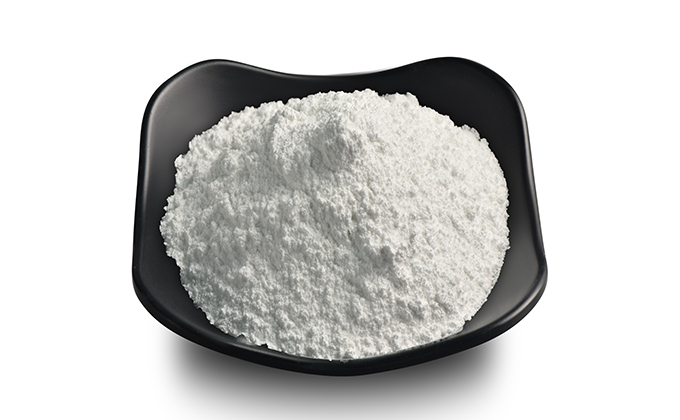
Thermal conductive composite powder (HK-TFP) is a Hico self-developed thermally conductive functional composite powder, produced by scientifically blending thermally conductive functional powders of different particle sizes and morphologies with surface modification. It can build a complete thermal conductivity pathway in adhesives, endowing them with good heat dissipation characteristics.

The product features white hue, good liquidity, stable thermal storage performance, and excellent thermal conductivity — four core advantages. Thermal conductivity covers 0.85–1.5 W/(m·K), allowing flexible model selection for different thermal requirements. It also serves terminals and provides new cooling solutions for electronic components and heat-generating parts.

Widely used in epoxy systems, polyurethane systems, and organic silicon systems, covering thermally conductive structural adhesives, thermal potting compounds, and solid thermally conductive silicone gel.
TC 0.85–1.5 W White Hue Good Liquidity Thermal Storage Stability 2 Modification Series 6 Models
Excellent Thermal Conductivity
Complete thermal pathway, 0.85–1.5 W/(m·K)
White Hue
Excellent visual quality, no impact on final product color
Good Liquidity
Easy processing and filling, uniform dispersion, low system viscosity
Stable Thermal Storage
High temperature storage stability, consistent quality, minimal agglomeration
Multi-System Compatibility
Epoxy / Polyurethane / Silicone — potting, structural, and solid gel
Flexible Selection
6 models by thermal level & system, with technical support
Three Application Systems
Covering epoxy, polyurethane, and organic silicon core resin systems
Epoxy system
System 01
Epoxy System
Used in epoxy thermal potting compounds, achieving 0.6–1.2 W/(m·K) thermal conductivity at low filler loading while maintaining good flowability and insulation. Widely applied in power modules, LED drivers, and electronic component thermal potting protection.
Polyurethane system
System 02
Polyurethane System
In polyurethane thermally conductive structural adhesives, TFP-120J1 delivers 1.2 W/(m·K) thermal conductivity with 15.5 MPa shear strength, balancing thermal and mechanical performance. TFP-150J3A emphasizes storage stability and thixotropy for demanding structural adhesive processing.
Organic silicon system
System 03
Organic Silicon System
In silicone addition/condensation type thermal potting compounds, achieves 1.0–1.5 W/(m·K) thermal conductivity with viscosity controlled within 3500–3800 mPa·s, providing excellent processing flowability. Also applicable for solid thermally conductive silicone gel from 0.85–1.5+ W.
Get product quotes, test reports and consultation
Back to Product Page
Cart
Coupons
Search
HomeHome ProductsProducts CallCall WhatsAppWhatsApp